The Ecological, Economic, and Social Perils of Wolf Reintroduction in Colorado
A Scientific Perspective • Colorado Mule Deer Association
In November 2020, Colorado voters narrowly approved Proposition 114, mandating the reintroduction of gray wolves (Canis lupus) to the state by the end of 2023. The first wolves arrived from Oregon in December 2023, followed by additional releases in 2024 and 2025, with the goal of establishing a self-sustaining population of at least 50 wolves by 2050.
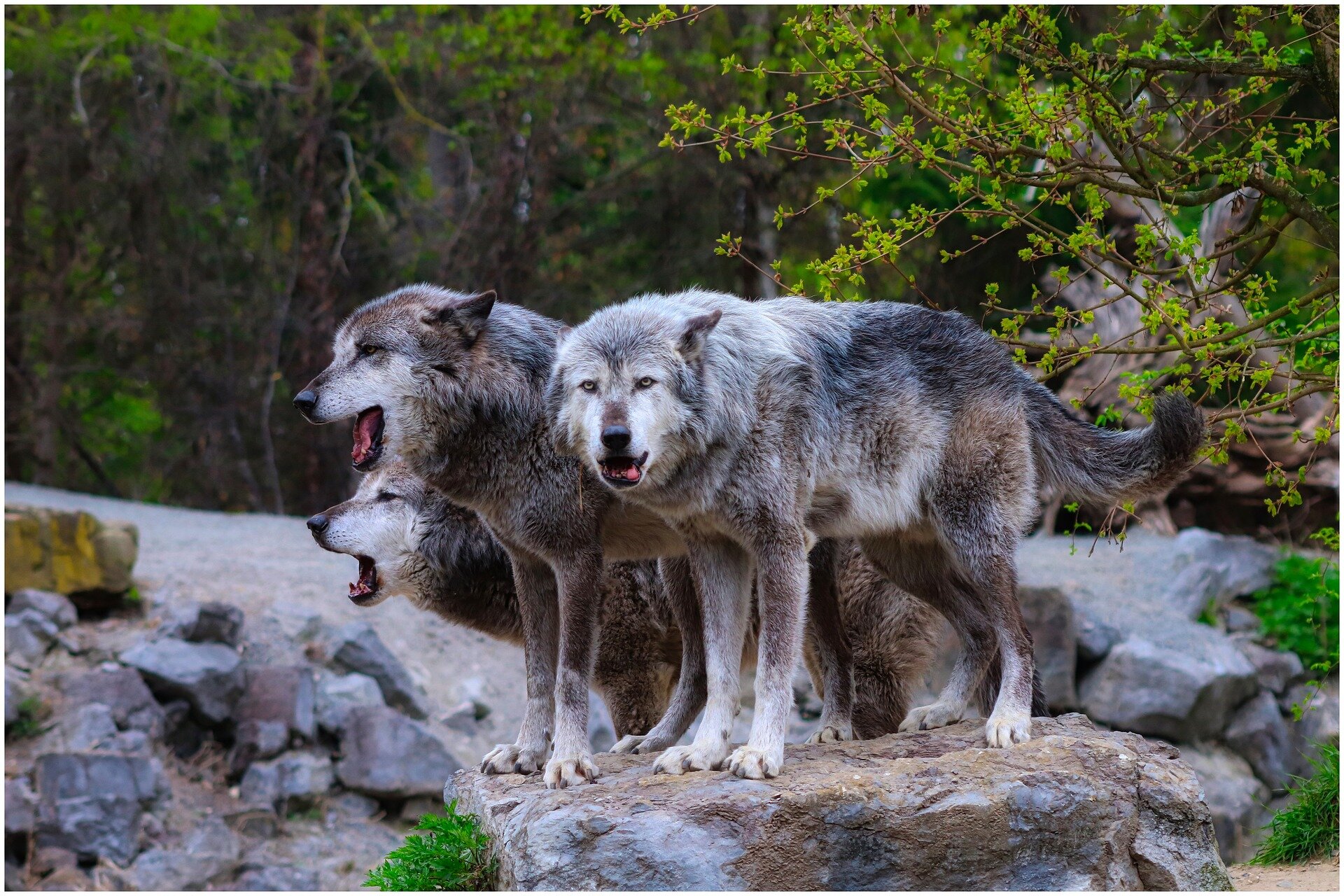
Gray wolves released in Colorado (photos for illustration)
Proponents view it as a step toward ecological balance, but scientific evidence from peer-reviewed studies, wildlife management reports, and on-the-ground data reveals significant risks that outweigh the purported benefits. Far from a straightforward ecological win, wolf reintroduction in Colorado threatens wildlife populations, burdens rural economies, and exacerbates social divides.
Ecological Risks: Disrupted Food Webs and Uncertain Outcomes
Colorado’s ecosystems are already stressed by habitat fragmentation and other pressures, making wolf reintroduction a high-stakes endeavor. While wolves are apex predators that can influence prey dynamics, studies indicate their impacts in fragmented Western landscapes like Colorado’s are often unpredictable and negative.
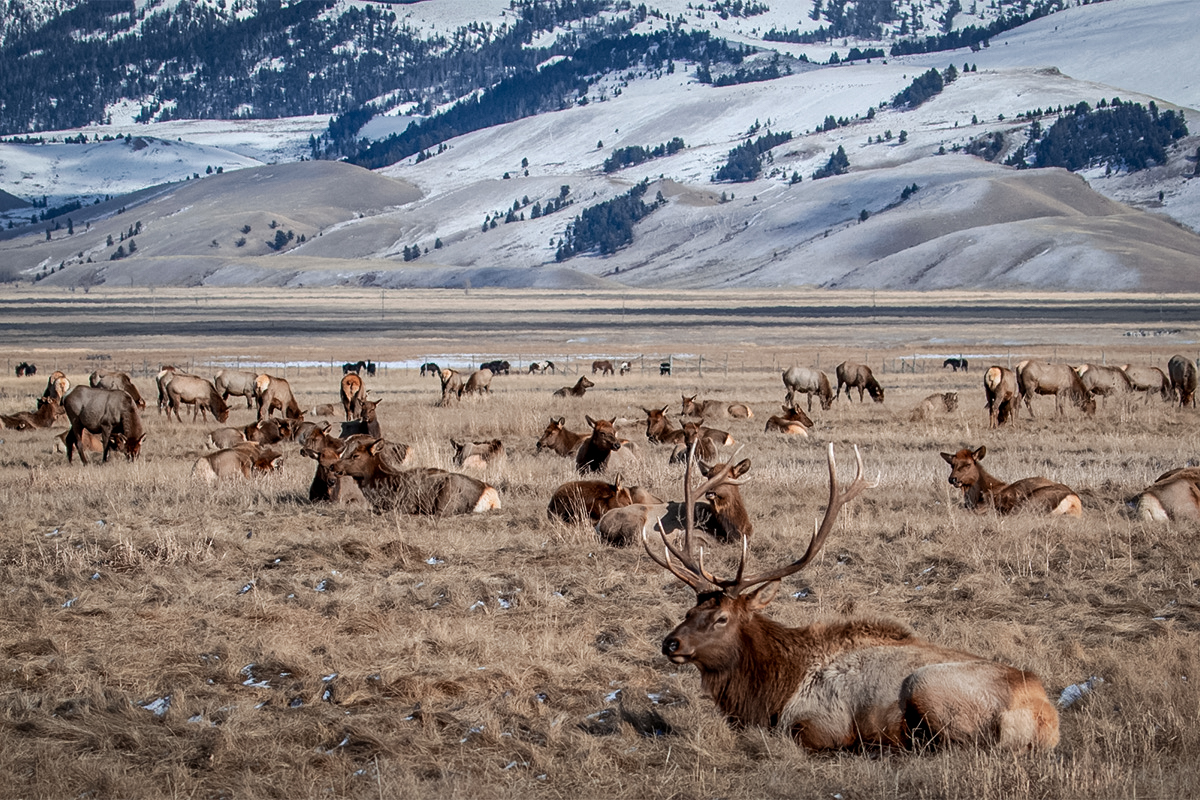
Mule deer and elk — primary prey species for wolves in Colorado
A key concern is the potential decline in ungulate populations, particularly elk (Cervus canadensis) and mule deer (Odocoileus hemionus), which form the bulk of wolves’ diet. Modeling from Colorado State University and analyses from the National Rifle Association’s Hunting Heritage Trust suggest wolf predation could lead to measurable reductions in herd sizes, especially in localized areas. Studies from similar systems show wolves correlating with 15-25% declines in calf survival in high-density zones, and up to a 20-30% drop in elk recruitment rates in affected areas.
The “trophic cascade” benefits are not consistently observed in Colorado’s fragmented habitats. Connectivity issues limit wolf dispersal, leading to low survival rates — already evident with high mortality among reintroduced individuals.
Economic Burdens: A Heavy Toll on Rural Livelihoods
The financial fallout falls disproportionately on Colorado’s agricultural and recreational sectors. Ranchers, managing much of the private land critical for wildlife corridors, face direct and indirect losses.
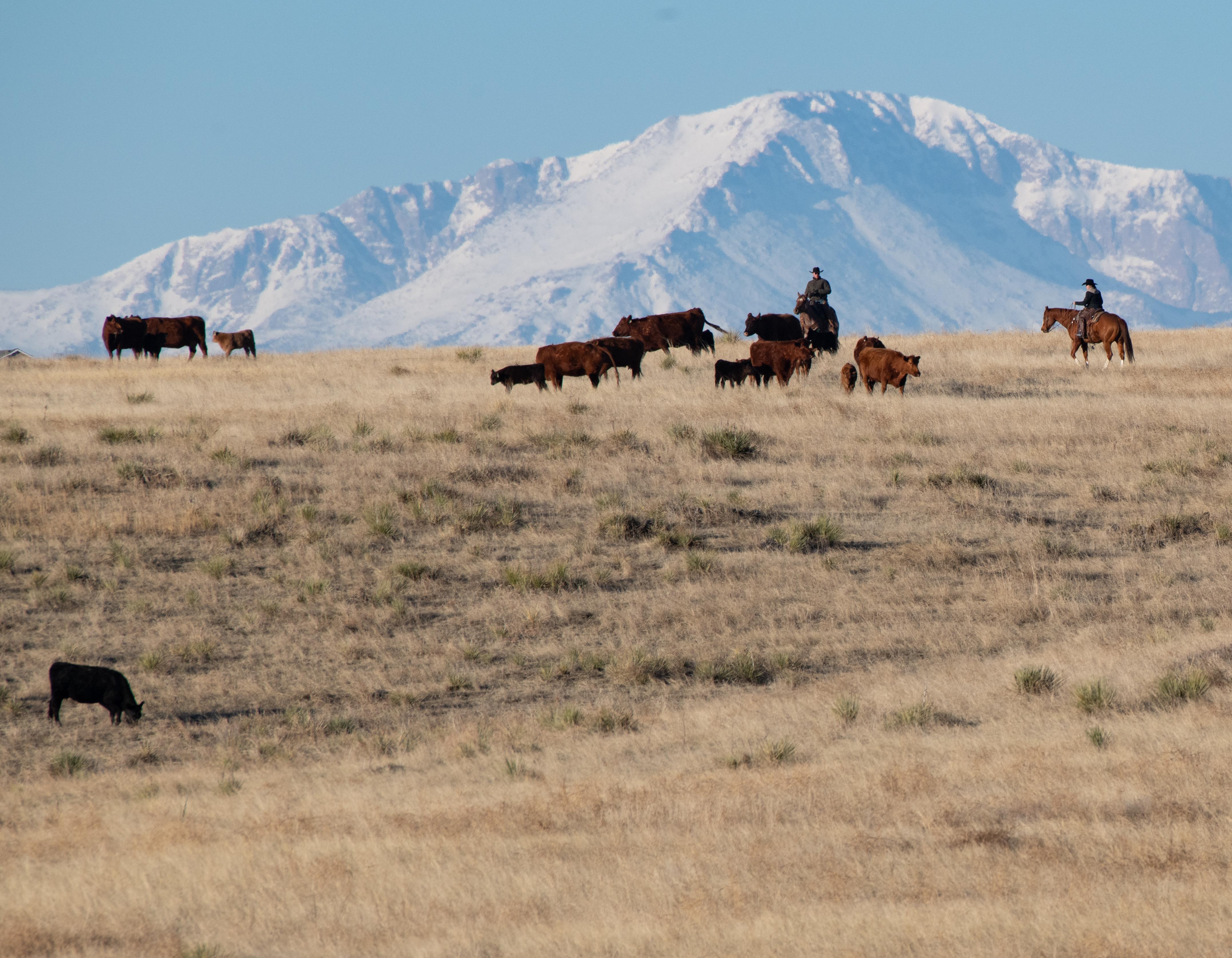
Livestock losses and non-lethal deterrence efforts in wolf country
Livestock depredation is immediate: confirmed incidents rose from 29 in 2024 to 37 in 2025, with claims exceeding $1 million in some reports. Studies from Colorado State University Extension estimate 1-5% herd losses per pack, plus indirect effects like reduced pregnancy rates (up to 15% drop), weight loss from harassment, and disrupted grazing, potentially slashing revenues by 20-30% in hotspots.
Hunters and outfitters could see declines in elk tag sales if herds shrink. Management costs for monitoring and non-lethal deterrents divert funds from other priorities. Early data shows packs already linked to multiple cattle kills, foreshadowing escalating expenses.
Social Divisions: Fueling Conflict Over Conservation
Wolf reintroduction has become a flashpoint for cultural rifts, eroding trust in management. Research shows carnivore recoveries often symbolize urban-rural divides, with rural stakeholders viewing it as top-down imposition.
Wolf release operation in western Colorado
Public perception surveys highlight opposition rooted in livestock fears, amplified by media focus on conflicts. Polarization hampers cooperation, with ranchers reluctant to report sightings. Interstate tensions and ongoing conflicts underscore the policy’s challenges in fostering unity.
Conclusion: A Misguided Experiment with High Stakes
Scientific consensus paints wolf reintroduction in Colorado as well-intentioned but flawed. Risks to prey species, rural economies, and social cohesion eclipse unproven gains, especially in a fragmented landscape. Low survival rates and asymmetric burdens signal early warnings.
Alternatives like targeted habitat enhancements and coexistence incentives could achieve balance without the fallout. As Colorado navigates this, policymakers must heed the data to avoid irreversible damage to ecosystems, livelihoods, and communities.
Reintroduction isn’t restoration — it’s a gamble with high stakes.